



Wildlife, Right This Way!
Florida’s wildest residents don’t wait behind turnstiles. They swim through springs, wander across prairies and occasionally appear beside the road looking far more photogenic than anyone who has spent the day in Florida humidity.
Where the Wild Things Wander
At Crystal River National Wildlife Refuge, manatees drift through the clear water with the unhurried confidence of creatures who have nowhere else to be. The refuge protects Three Sisters Springs and remains the country’s only national wildlife refuge created specifically for Florida manatees. Winter brings the largest gatherings, but the landscape offers a year-round reminder that healthy springs matter far beyond the postcard view.
Near Ocala, Silver Springs State Park offers another window into wild Florida, quite literally. Its famous glass-bottom boats glide over clear springs, aquatic plants and underwater artifacts while birds, turtles and other wildlife work the shoreline. Rhesus macaques also live along the Silver River, though spotting one should remain a distant observation rather than an invitation to investigate. The monkeys are wild, unpredictable and perfectly capable of managing their own social calendar.
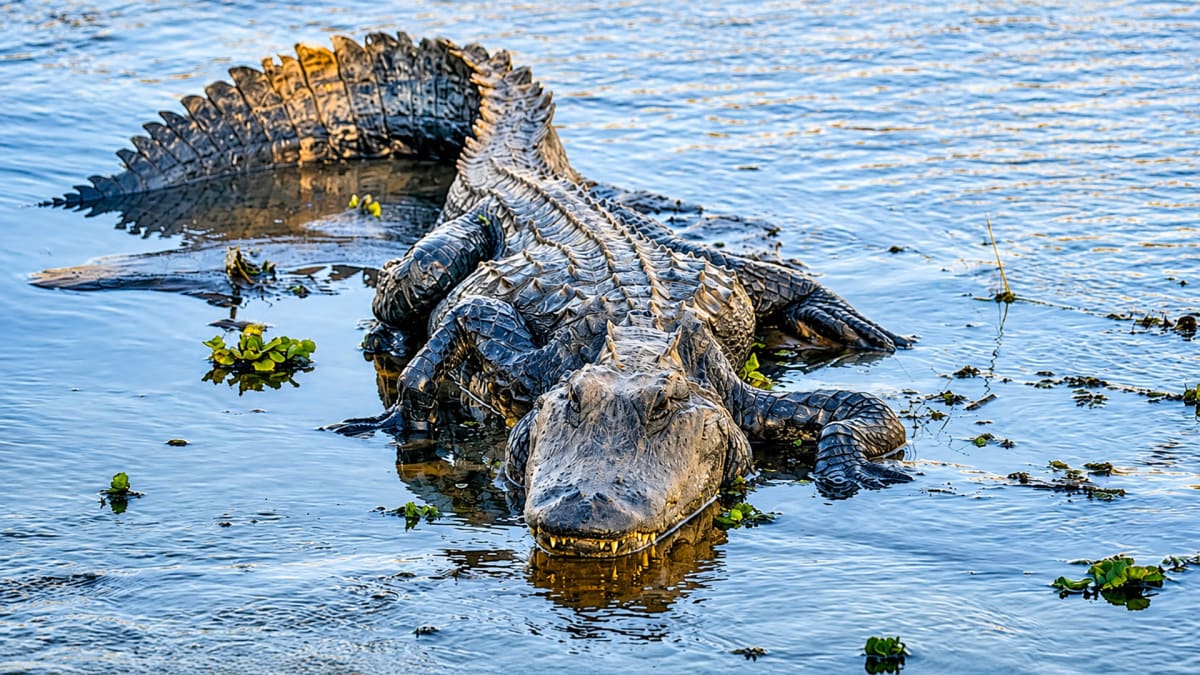
South of Gainesville, Paynes Prairie Preserve State Park looks like Florida wandered west and came back with bison. Wild horses and American bison roam the broad prairie alongside alligators, deer and nearly 300 bird species. Trails and observation points provide opportunities to watch, but visitors should keep at least 75 feet from horses and bison. A grazing animal may look calm while still being very uninterested in your close-up.
A Coast With Company
On Southwest Florida’s Gulf Coast, Lovers Key State Park pairs beaches with wildlife-rich estuaries. Dolphins and manatees frequent the surrounding waters, while ospreys, herons, egrets and shorebirds patrol from above and along the tidal edges. A kayak or quiet trail walk can reveal more than a hurried beach visit ever will.
Farther south, the National Key Deer Refuge protects the endangered Key deer, the world’s smallest white-tailed deer subspecies and a resident found only in the Lower Florida Keys. They may wander near homes and roads, but feeding, touching or approaching them is prohibited. Driving slowly is part of the wildlife experience here, especially around Big Pine Key.
These places make Florida feel bigger, stranger and more alive. Bring binoculars, give every animal room and leave the habitat exactly as you found it.
Find more ways to explore Florida’s wild side at https://guidetoflorida.com/tour-guide-services!