



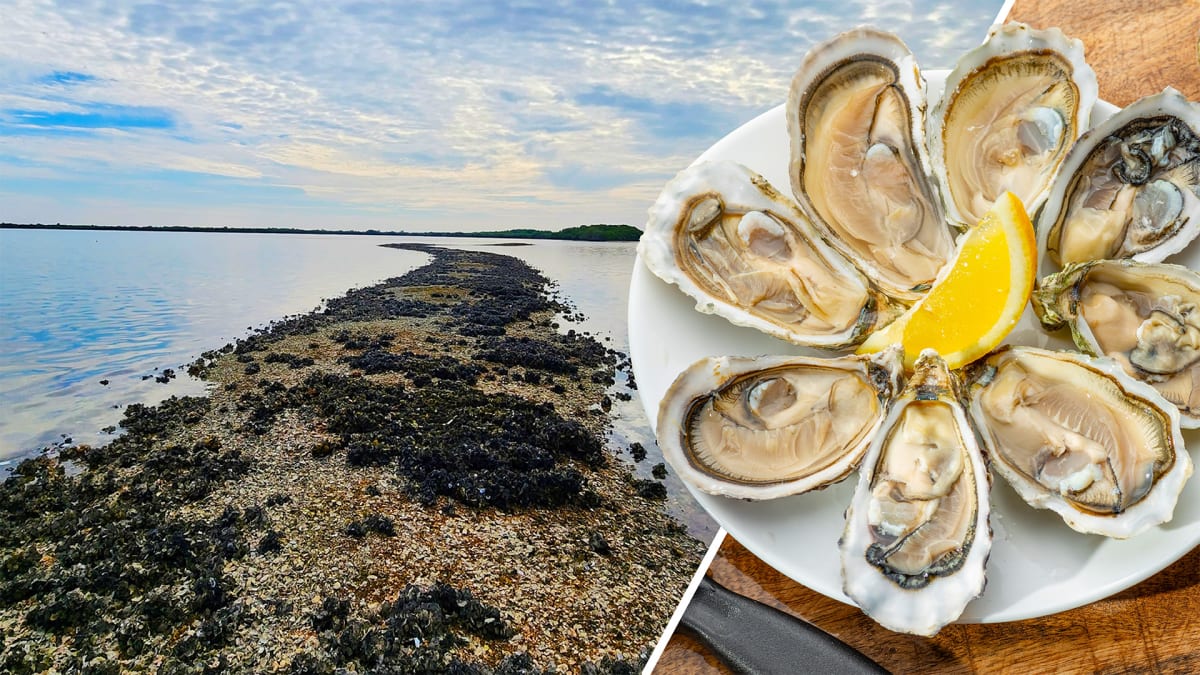
The World Is Your Oyster…Again!
For the first time in five years, Florida’s most storied oyster grounds are getting ready to come back to life. On January 1, 2026, Apalachicola Bay will officially reopen its wild oyster harvest after a full closure in 2020, a move that signals a rare bright spot for Florida’s coastal economy and seafood industry.
Once responsible for supplying roughly 90 percent of Florida’s oyster landings and about 10 percent of the U.S. wild-oyster supply, Apalachicola’s comeback could ripple far beyond its docks.
What This Means For Florida’s Coastal Economy
The return of the wild-harvest season matters because it touches so many parts of the seafood chain. Local harvesters in Franklin County lost ground during the closure: according to the state, the bay’s decline contributed to a commercial harvest that in 2023 was the lowest on record, with an estimated 94 percent drop in landings and 87 percent drop in value from the peak in 2012.
Processing plants, restaurants, docks and the broader community are all on alert. Boat owners are repairing gear. Workers are lining up for permits. And local seafood businesses are hoping the supply of “Apalach” oysters returns to menus statewide.
Benefits to the wider business ecosystem include:
- Strengthening commercial fisheries that anchor local jobs
- Reviving tourism in the Forgotten Coast, including Apalachicola, Eastpoint and St. George Island
- Opening fresh supply pathways for distributors and restaurants across Florida
- Restoring one of the state’s most iconic seafood brands
A Return, But Not a Free-for-All
The reopening isn’t carte blanche. The Florida Fish and Wildlife Conservation Commission (FWC) approved a management plan that:
- Sets the first harvest window from Jan 1 to Feb 28, 2026; future seasons will run October to February.
- Requires a Commercial Apalachicola-Bay Endorsement for harvesters and an ABRO permit for recreational take; permits will be capped based on participation in the first season.
- Establishes harvest limits tied to oyster abundance, only reefs meeting minimum thresholds will open.
Habitat loss remains a major challenge: mapping shows just about 500 acres of viable oyster reef remain in the bay, a drop from an estimated 10,000 acres historically, meaning a 95 percent decline in usable habitat.
Find your next Florida bite at https://guidetoflorida.com/seafood-restaurants