



Saltwater Startups Are Making Waves!
Forget fishing boats—Florida’s newest seafood frontier is tucked into warehouses, research labs, and tank farms far from the surf. In Homestead, salmon are growing in closed-loop tanks the size of football fields. In Sarasota, aquaponics systems are pairing shrimp with salt-loving greens. And on the research front, Florida Sea Grant is betting big on seaweed as the state’s next coastal crop. Together, these projects aren’t just science experiments—they’re early pieces of a business pipeline that could change how seafood is grown, sold, and served in Florida.
Salmon, Florida-Style
Atlantic Sapphire in Homestead just became the first land-based salmon farm in North America to earn Aquaculture Stewardship Council certification—a global seal of approval for sustainable aquaculture. Inside its massive “Bluehouse,” salmon are raised in recirculating tanks where every drop of water is filtered and reused. The goal? Produce 60,000 metric tons of salmon per year without the risks of ocean pens or long-haul imports. It’s sushi-grade protein grown just south of Miami, harvested and packed on-site.
Seaweed as the Next Coastal Crop
Seaweed farming might not sound like a Florida industry—but researchers at Florida Sea Grant think it could be. They’re testing which native species grow best in coastal waters and how farms could feed into food, fertilizer, or even biofuel markets. Beyond the products, seaweed absorbs carbon and nutrients, helping improve water quality while it grows. With the global seaweed market projected to hit $11.8 billion by 2030, Florida could carve out a niche in this fast-growing field!
Surf Meets Turf
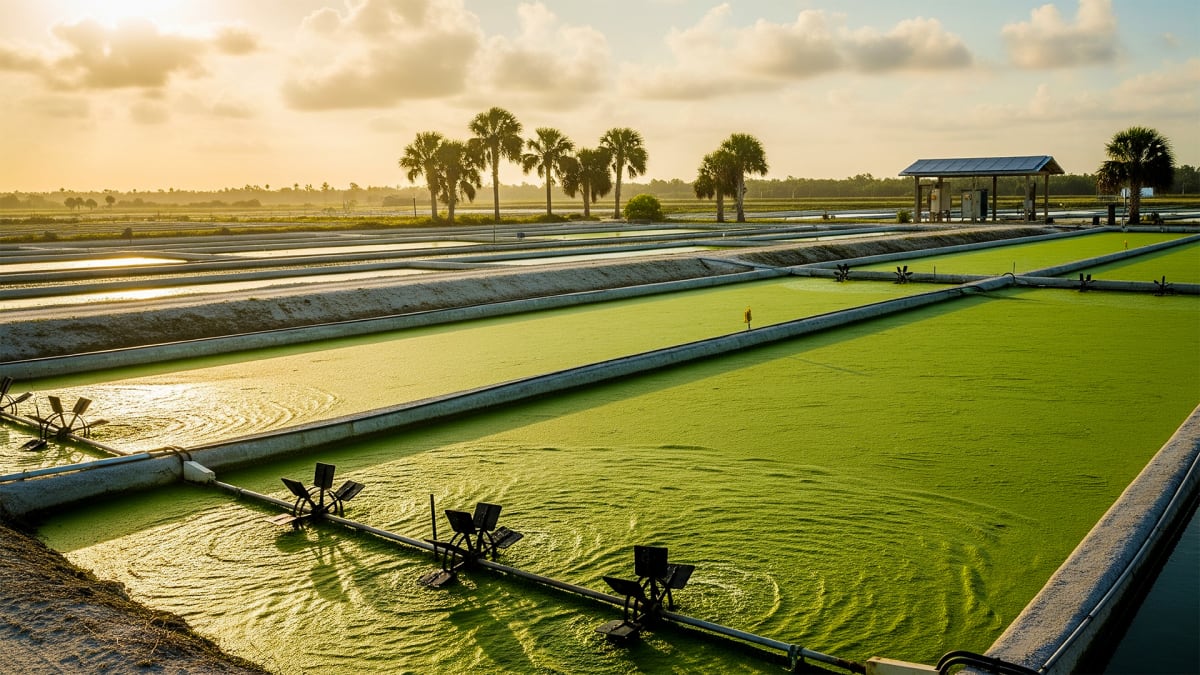
At Mote Marine Laboratory’s Aquaculture Research Park in Sarasota, scientists are pairing seafood and crops in the same saltwater system. Shrimp tanks flow into basins of sea purslane and other halophyte plants that thrive in briny water. The result is a setup that produces two crops at once—protein and greens—while recycling water and cutting waste. Think of it as a mini ecosystem that doubles as a business model.
Why It Matters
These projects aren’t just about food—they’re about creating new industries in Florida. Land-based salmon reduces reliance on imports, seaweed farms could open doors for coastal entrepreneurs, and aquaponics shows how agriculture and aquaculture can share resources.
The takeaway? The future of Florida seafood might not come from the ocean—it could come from tanks, labs, and farms just a short drive from home!
See what else is making a splash in Florida’s business scene at www.guidetoflorida.com/business-consulting!