



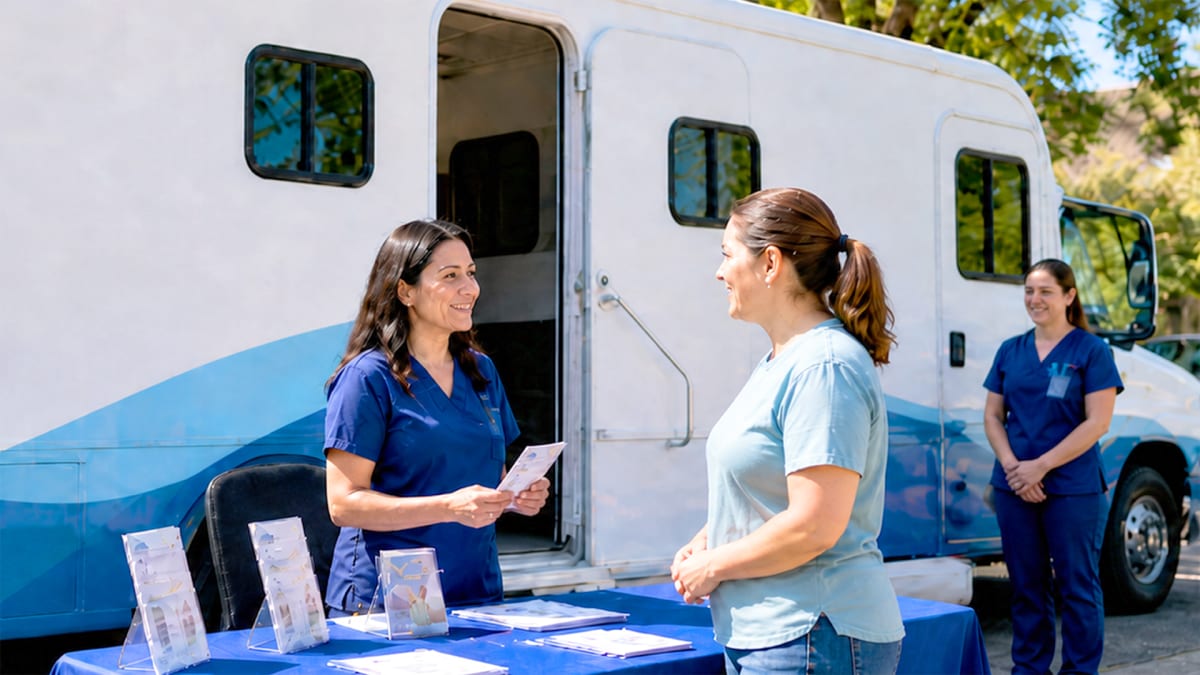
Rural Care Gets a Smart Upgrade
In parts of rural Florida, access to preventive care still depends on geography more than it should. A routine screening can turn into a long drive, a delayed appointment, or a missed follow-up that quietly snowballs into something more serious. That gap is exactly where a new statewide effort is stepping in, with a mix of funding, technology, and a clear understanding of how care works on the ground.
Led by University of South Florida Health and Tampa General Hospital, the initiative is channeling nearly $2 million in state innovation funding into an AI-powered program designed to expand cervical cancer care across rural Florida. The focus is practical. Instead of building new facilities or adding layers of complexity, the effort works through high-volume primary care clinics where most patients already show up. That decision alone speaks to a larger shift in how Florida’s health care industry is thinking about access.
Where Innovation Meets the Waiting Room
At the center of the program is a simple but often overlooked problem: patients who are overdue for screenings aren’t always easy to track, and follow-ups can slip through the cracks. The new approach uses AI tools to flag those patients early, helping providers identify who needs care now rather than later. It also streamlines referrals, cutting down the lag time between a primary visit and a specialist appointment.
Here’s what that looks like in practice:
- Clinics receive real-time insights on patients who are overdue for cervical cancer screenings
- Care teams can prioritize outreach without adding hours of manual review
- Referral pathways are simplified, helping patients move from screening to treatment faster
- Data helps reduce late-stage diagnoses that tend to hit rural communities harder
The initiative builds on momentum from the Florida Cancer Innovation Fund, which has been pushing resources toward projects that connect research with real-world care delivery. That connection matters. It signals a move away from siloed innovation and toward partnerships that can scale across the state.
For Florida’s business and health care landscape, the takeaway is clear. Investment is flowing toward solutions that combine technology with access, especially in underserved areas where the need is highest. Hospitals, research institutions, and state funding programs are aligning in ways that prioritize outcomes over optics.
It’s a shift that feels grounded in reality. The waiting room, after all, is where most of the system begins.
Learn more about Florida’s growing healthcare scene at https://guidetoflorida.com/health-medical.