



Protecting the Land Behind the Plate
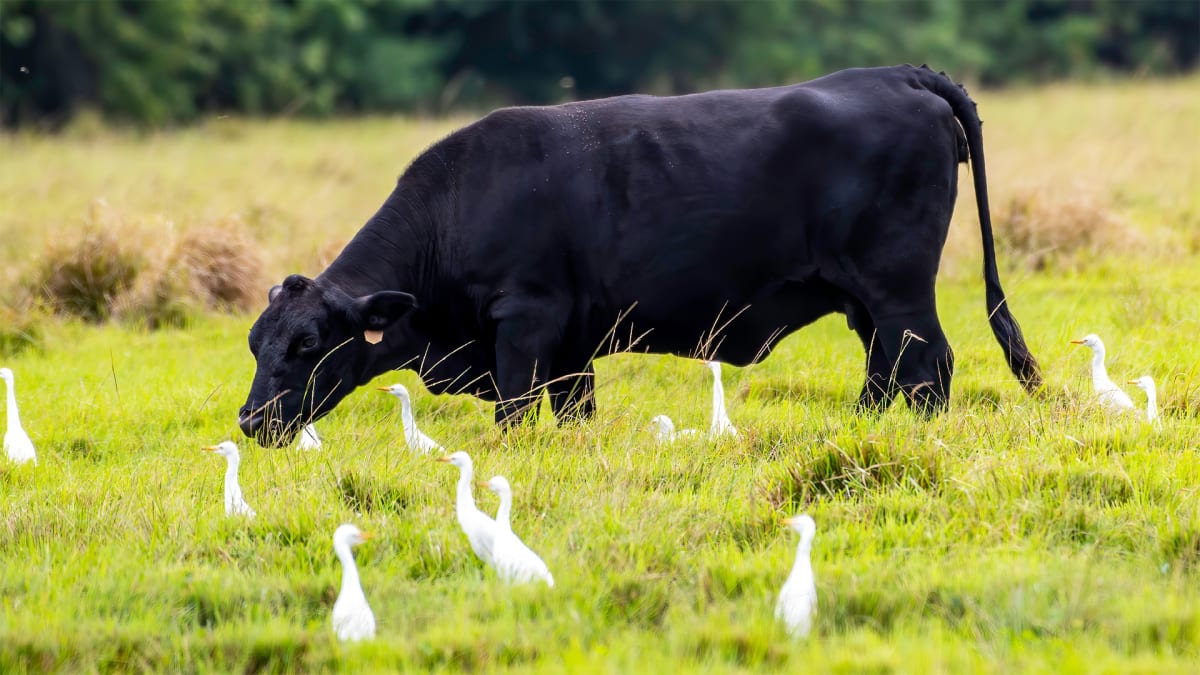
Growth is easy to spot. New rooftops, new roads, new storefronts. What is harder to see is what stays put. The pastures off a two-lane road, the cattle grazing behind a fence line, the land that quietly keeps working while everything around it changes.
That’s exactly what’s at stake in Hardee and Highlands counties, where more than 2,800 acres of working agricultural land have now been permanently protected through the state’s Rural and Family Lands Protection Program. The move doesn’t lock the land away. It does something more practical. It ensures these ranches can keep doing what they’ve always done, without the looming pressure to sell off for development down the line.
For the families who run these operations, that kind of certainty matters. Ranching isn’t a short-term business. It’s generational. Land gets passed down, not flipped. Conservation easements like these allow owners to retain control of their property while agreeing to limit future development. In return, the land stays productive, and the surrounding community keeps a piece of its identity intact.
Where Conservation Meets Everyday Life
This isn’t just about preserving open space for the sake of it. These working lands play a direct role in daily life, even if it’s not always obvious at first glance.
- A steady food supply
Cattle ranches across these counties contribute to the broader agricultural network that feeds communities. Keeping that land in production supports long-term stability. - Economic ripple effects
Agriculture fuels more than farms. It supports local jobs, suppliers, transport, and small businesses that depend on a strong rural economy. - Natural resource protection
These properties help protect water systems, soil quality, and wildlife habitats that might otherwise be disrupted by large-scale development. - Strengthening the Florida Wildlife Corridor
The protected land connects to a larger network of conserved spaces, allowing wildlife to move more freely and ecosystems to function as they should.
In a region where growth continues to push outward, decisions like this help strike a balance. Development is not going anywhere, but neither should the land that has supported communities for decades.
What happens in places like Hardee and Highlands might not always make headlines, but it shapes the future in quieter ways. It keeps working land working. It protects the spaces between the cities. And it ensures that as things change, not everything has to.
Support the land that keeps working. Find local farms and fresh markets near you at https://guidetoflorida.com/produce-markets-local-farms