



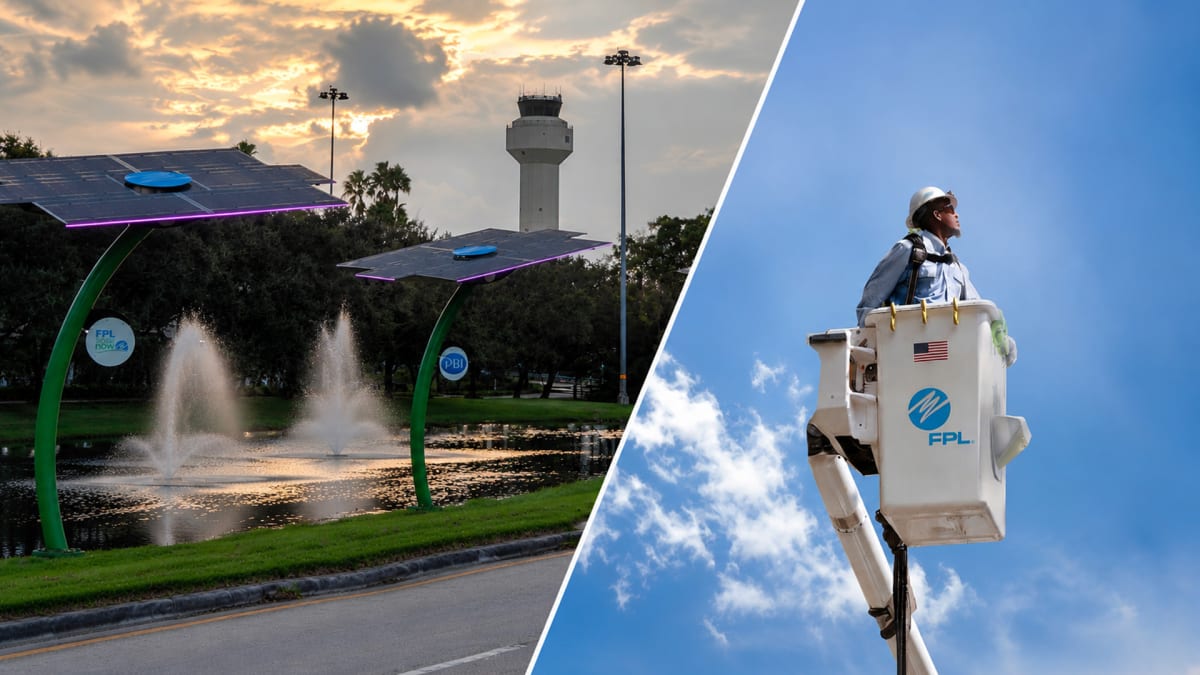
Powering Florida’s Next Chapter
Nobody in Florida has ever opened an electric bill hoping for a fun surprise. Air conditioning alone already feels like a second mortgage by August, and with the state adding new residents, new developments, and enough warehouse construction to make I-4 permanently nervous, the pressure on Florida’s power grid is only getting heavier. That’s part of why Florida’s energy conversation has become increasingly focused on reliability, long-term demand, and more than $1 billion in annual fuel savings tied to keeping costs manageable as the state continues growing.
Florida Power & Light Company is making a strong case that efficiency may end up being the state’s most important energy strategy over the next decade. The utility credits investments in high-efficiency energy centers, nuclear generation, and a more diversified fuel mix with helping offset rising demand as Florida’s population continues climbing. Those infrastructure decisions may not grab headlines the way new developments do, but they play a major role in how the state keeps up with rapid growth without putting even more pressure on customers.
Florida’s population growth is relentless. New neighborhoods keep stretching farther into former pastureland, apartment towers continue climbing in major metros, and energy demand rises right alongside them. Utilities know the challenge isn’t simply generating more electricity. It’s figuring out how to do it without sending monthly bills into orbit every summer.
The Grid Is Growing Up
For years, Florida leaned heavily on older oil-based systems that were expensive and volatile. Now, utilities are steadily replacing those plants with infrastructure designed to squeeze more power from less fuel. Roughly two-thirds of Florida’s electricity currently comes from natural gas, which remains a dominant part of the equation, but diversification is becoming increasingly important as long-term planning takes center stage.
That’s where modern energy centers and nuclear power start playing a larger role. They create steadier generation, reduce fuel costs, and help utilities avoid some of the pricing swings that make energy markets unpredictable. The strategy may not sound particularly glamorous, but neither does explaining to your family why the thermostat suddenly lives at 78 degrees.
Across Florida, reliability matters just as much as affordability. Residents expect power restoration after hurricanes to happen quickly, and businesses relocating to the state expect infrastructure capable of supporting large-scale operations without interruption. Data centers, manufacturing facilities, and sprawling residential growth all demand enormous amounts of electricity, which means utilities are increasingly planning years ahead instead of reacting in real time.
For customers, the payoff shows up quietly. Bills that stay lower than the national average. Fewer dramatic pricing spikes. A grid built for a state that keeps getting larger, hotter, and more energy-hungry by the year.
Turns out, Florida’s future energy strategy may come down to something surprisingly simple: building smarter long before the pressure arrives.
Want to learn more about the utility companies of Florida? Check out https://guidetoflorida.com/utility-companies-1