



Campus Safety Levels Up!
Florida’s college campuses may soon be adding a new item to the back-to-school checklist, right between parking decals and bookstore sticker shock: expanded security planning.
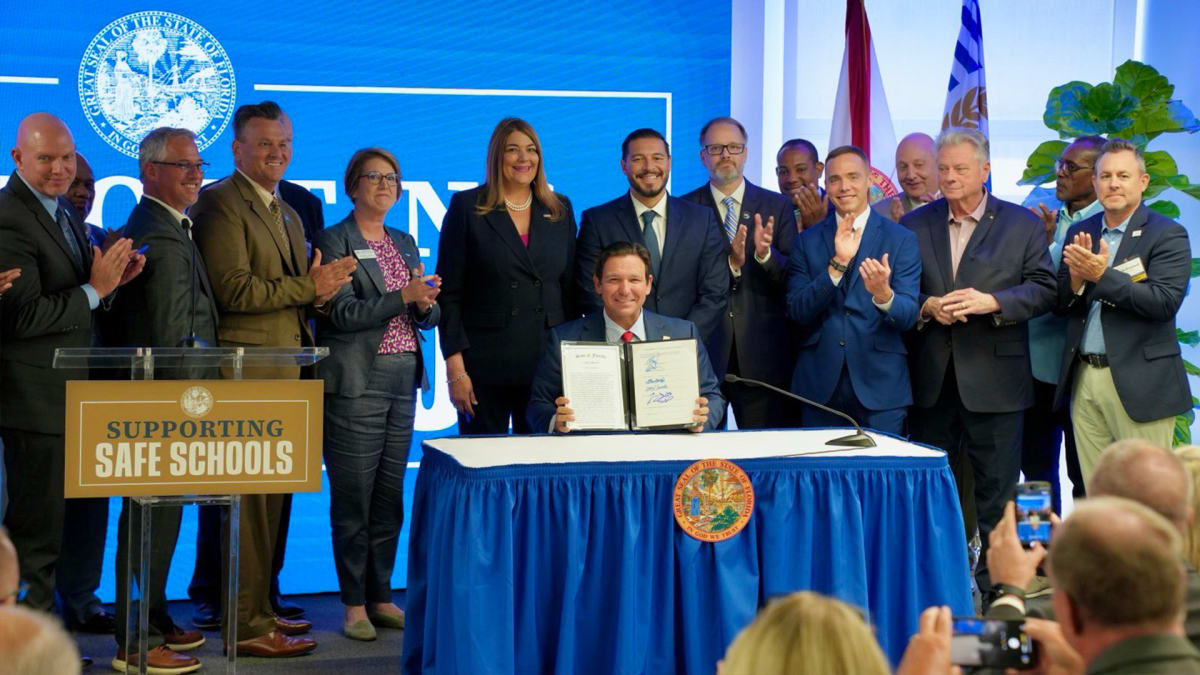
Gov. Ron DeSantis signed House Bill 757 into law on May 15, extending several school safety measures to the state’s public colleges and universities and opening the door for trained faculty and staff to serve as armed guardians on campus.
The law allows public postsecondary institutions to participate in Florida’s school guardian program, which had previously focused on K-12 settings. Under the measure, local sheriffs must help colleges and universities implement guardian programs, including establishing training programs or contracting with other sheriff’s offices when needed. The bill also calls for rules from the State Board of Education and Board of Governors, giving higher education leaders a new layer of policy homework to complete.
More Than a Security Conversation
For Florida’s higher education industry, the law isn’t just a campus safety headline, but an operations story. Colleges and universities now have to think through training logistics, employee screening, coordination with sheriff’s offices, emergency planning, risk assessments, legal exposure, insurance questions, and how all of that fits into daily campus life.
That could mean new demand for safety consultants, training providers, law enforcement partnerships, compliance support, and insurance guidance. It may also create fresh budget pressure for institutions already balancing enrollment goals, workforce programs, facility needs, and the eternal mystery of why every campus building seems to need a different key card.
Supporters argue the law gives colleges and universities another tool to prepare for worst-case emergencies and improve response times when every second matters. Critics worry about liability, accidental escalation, and what it means to place more firearms in learning environments built for classrooms, labs, libraries, and late-night study sessions powered by questionable vending machine choices.
What Comes Next for Campuses
The bill also adds broader safety provisions, including active assailant response planning, threat management protocols, and new criminal penalties tied to firearms near schools. According to the Florida Senate, most of the act took effect on May 15, making this less of a distant policy debate and more of a current implementation challenge.
For communities across Florida, the impact will be felt beyond campus gates. Public colleges and universities are major employers, workforce engines, cultural hubs, and economic anchors. How they approach this law could shape local training partnerships, public safety planning, and student confidence across the state.
Explore more Florida colleges, specialized training programs, and education resources at https://guidetoflorida.com/college-specialized-training.